Garden maintenance for St Lukes Road flats small outdoor fixes
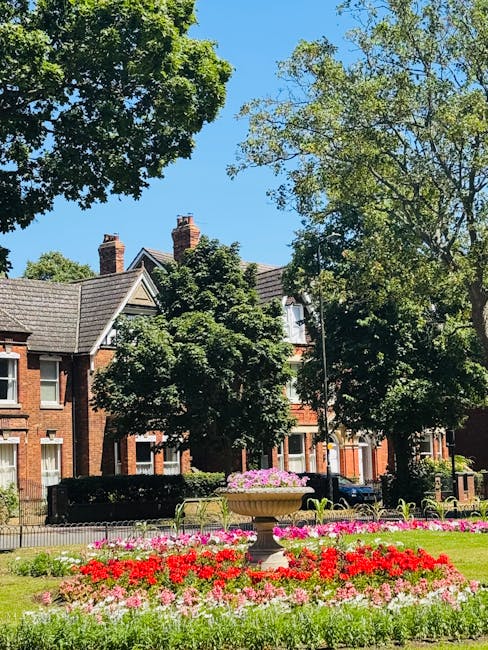
If you live in a flat with a modest outdoor space, you already know the truth: small gardens can become untidy surprisingly fast. One windy week, a few weeds, a loose trellis, some gritty patio stains, and suddenly the space feels more cramped than calm. Garden maintenance for St Lukes Road flats small outdoor fixes is about keeping that compact outdoor area neat, safe, and genuinely usable without turning it into a full renovation project.
This guide focuses on the practical bits that make the biggest difference in smaller spaces around St Lukes Road: fast tidy-ups, light repairs, smart planting, and sensible upkeep that fits flat living. You will find step-by-step advice, common mistakes, tool tips, and a realistic look at when a simple fix is enough and when a professional hand makes more sense. To be fair, most small outdoor spaces do not need dramatic changes. They need consistent care, and a bit of judgement.
Why Garden maintenance for St Lukes Road flats small outdoor fixes Matters
Small outdoor spaces at flats are different from larger private gardens. They are often shared, seen from neighbouring windows, and used for multiple purposes at once: a bit of planting, a place for morning tea, a route to bins or storage, or simply a spot to get some air. Because the space is compact, small flaws stand out. A cracked pot, mossy paving, sagging fencing, or an overgrown corner can make the whole area feel neglected.
There is also a practical side. In small spaces, poor maintenance can create slip risks, drainage issues, blocked access, and nuisance problems like weeds spreading from edges or climbers taking over. A tiny patch of outdoor space can become difficult to enjoy if it is not checked regularly. In our experience, the difference between a gloomy courtyard and a pleasant little retreat is often five small fixes, not one expensive overhaul.
For flat residents, good maintenance is also about peace of mind. You want a space that feels tidy when you step outside, does not frustrate neighbours, and does not become one of those jobs you keep avoiding because it looks too much. Let's face it, that tends to make things worse.
Expert summary: The best approach for compact flat gardens is not heavy landscaping every season. It is regular small-scale upkeep: clear, repair, trim, tidy, and reassess before problems spread.
How Garden maintenance for St Lukes Road flats small outdoor fixes Works
The process is usually simpler than people expect. Small outdoor fixes work best when they are treated as a routine rather than a one-off rescue mission. Instead of waiting until the space looks bad, you tackle light jobs in a sensible order and keep the area easy to manage.
At a basic level, the work usually falls into five groups:
- Clearing: removing leaves, litter, weeds, and clutter.
- Repairing: fixing loose edging, pots, trellis, small fence panels, or unstable fixtures.
- Refreshing: improving soil, mulch, compost, plant health, and watering habits.
- Cutting back: trimming hedges, climbers, and overlong plants before they crowd the space.
- Improving usability: making the area safer, lighter, easier to move through, and nicer to sit in.
For a flat garden, timing matters. A quick spring reset may focus on weeds and winter damage. Summer often means watering, deadheading, and managing growth. Autumn usually brings leaf clearance and preparation. Winter is about protection, drainage, and spotting things that could shift in bad weather. The work is not hard, just seasonal. And yes, if you miss one round, the garden does not explode. It simply asks for more attention later.
If you already know the space needs a broader tidy-up, it can help to start with a general service such as garden maintenance and then layer in more specific tasks only where needed. That tends to be the cleanest way to avoid overspending on a tiny area that only needs targeted attention.
Key Benefits and Practical Advantages
Small outdoor fixes deliver value fast, which is exactly why they suit flat gardens so well. A little effort can change how the whole space looks and feels. You do not need a huge budget or a full redesign to notice the benefit.
- Better everyday use: when paths, steps, and edges are clear, the space feels more inviting.
- Less stress: regular maintenance stops small issues turning into nagging eyesores.
- Improved safety: moss, loose tiles, and clutter are easier to manage before they become hazards.
- More privacy: trimming and planting can screen views without making the garden feel boxed in.
- Lower long-term cost: quick repairs are almost always cheaper than delayed fixes.
- Healthier planting: in cramped plots, plants compete harder for light, water, and root space.
There is also a subtle quality-of-life gain. A tidy balcony garden, shared courtyard, or small paved yard can make a flat feel more complete. Even a few containers, a clean surface, and a couple of well-kept plants can make a morning coffee outside feel a lot better. That sounds simple because it is simple.
If you are looking for ways to keep upkeep manageable, the ideas in creating a beautiful low-maintenance garden for less are especially useful for smaller plots where every minute and every square metre count.
Who This Is For and When It Makes Sense
This kind of maintenance makes sense for a wide mix of people. It is not just for keen gardeners with time on their hands. In fact, the people who benefit most are usually the ones who want the space to look good without turning it into a weekend project every weekend.
- Flat owners who have a private outdoor area and want it presentable year-round.
- Tenants who want to keep the space tidy without making permanent changes.
- Landlords and managing agents who need outdoor areas to look respectable for viewings or residents.
- Busy professionals who only have time for small, efficient upkeep.
- Older residents who want light maintenance, not heavy lifting or risky DIY.
It also makes sense when the space has one of those classic problem patterns: weeds at the edges, pots splitting in winter, low light, noisy exposure to wind, or a bit of damp shade that never quite dries. If you can describe the issue in one sentence, there is usually a small fix that helps.
Sometimes the need is seasonal, sometimes it is purely visual. If you have a small courtyard that looks fine in April but messy by August, that is a maintenance issue. If the space feels bare and hard to use, that is more of a layout or planting issue. Knowing the difference helps you choose the right next step, which sounds obvious, but many people skip it.
Step-by-Step Guidance
Here is a sensible way to handle small outdoor fixes in a flat garden without overcomplicating things.
- Start with a full walk-through. Look at the space from the doorway, from the far corner, and from the window if there is one. Notice what catches your eye first.
- Remove clutter and loose debris. Bags, dead leaves, broken plant labels, old ties, and cracked pots all make the space feel smaller.
- Check the surface. Sweep paving, look for moss, lifted slabs, blocked drainage, and any slippery patches.
- Inspect plants and containers. Cut out dead stems, remove weeds from pots, and check whether containers are cracked or waterlogged.
- Tidy the edges. Straighten borders, cut back growth from fences or walls, and stop plants from spilling into walking areas.
- Do the small repairs. Tighten fixings, re-seat loose trellis, replace damaged hooks, and secure wobbly containers.
- Refresh the planting. Top-dress with compost where needed, add mulch, and swap tired seasonal plants for fresher ones.
- Improve the feel of the space. One bench, one lantern, or a simple seating spot can change the whole mood. Nothing fancy.
A useful rule: work from the ground up. Clear the floor, then the edges, then the plants, then the styling. It keeps the task from getting messy again halfway through. Also, it is much easier to enjoy a garden once you can actually walk across it without doing that careful little sidestep over a rogue hose.
If your garden includes a paved section, you may want to combine this routine with patio cleaning for a noticeably brighter finish. In small spaces, clean paving often gives more visual impact than adding new decor.
Expert Tips for Better Results
Small flat gardens reward restraint. That is the first tip, really. Do less, but do it better. A cramped outdoor area can look untidy when it is simply trying to do too many things at once.
- Choose fewer, better plants. In small spaces, a handful of well-chosen plants usually looks calmer than a crowded mix.
- Use vertical space. Wall planting, slim trellises, and climbers can bring greenery without eating floor area. If that appeals, have a look at unlocking the potential of vertical gardening.
- Keep containers on a rotation. Two or three good pots on rotation often look fresher than too many neglected ones.
- Trim before growth gets awkward. Small areas are more forgiving when cut back early.
- Protect from wind. Flat gardens can be oddly exposed, especially at higher levels or on open streets.
- Use low-maintenance structure. Evergreen shrubs, ground cover, and neat edging reduce the weekly workload.
Another decent habit is to photograph the space before and after each tidy-up. Not for social media, necessarily. Just to see what actually changes. People often think "nothing happened" when, in fact, the garden looks much lighter and more ordered.
For planting ideas that help cover bare patches and reduce ongoing weeding, ground covers for UK gardens can be a smart reference point. They are often more useful than people expect in compact plots where you want coverage without constant fuss.
Common Mistakes to Avoid
Most small outdoor maintenance problems come from overdoing something, or forgetting something important for too long. The classic issues are easy to spot once you know them.
- Using oversized plants: they quickly outgrow the available space and create crowding.
- Ignoring drainage: standing water in a flat garden can damage surfaces and plants alike.
- Leaving weeds until they seed: this is how a small edge problem becomes a routine battle.
- Overfilling containers: too many pots can make the garden feel cluttered and awkward to move through.
- Skipping winter checks: cold snaps and heavy rain tend to reveal weak fixings and tired materials.
- Forgetting access and shared use: in flat settings, bins, gates, stair access, and neighbour sightlines matter.
One easy-to-miss mistake is making the space too "designed". That sounds odd, but it happens. A little flat garden can end up feeling like a showroom when what it really needs is warmth, movement, and a few practical touches. Human spaces beat perfect spaces, every time.
Another mistake is underestimating how much shade or wind a courtyard gets. If you are dealing with exposed conditions, the advice in shielding your garden from excessive wind and how to shield your garden plants from winter weather is especially relevant.
Tools, Resources and Recommendations
You do not need a shed full of gear to maintain a small flat garden. In fact, too many tools just create more clutter. A compact kit is usually enough.
| Tool or item | Why it helps | Best use in a small flat garden |
|---|---|---|
| Hand fork | Great for loosening soil and removing weeds | Containers, narrow borders, small beds |
| Bypass secateurs | Clean cuts on live stems | Light pruning, deadheading, trimming |
| Stiff hand brush | Clears grit and debris quickly | Paving, steps, threshold areas |
| Bucket or trug | Keeps jobs tidy and efficient | Collecting weeds, clippings, waste |
| Watering can with a fine rose | Gentler watering, less splash | Containers and delicate planting |
| Small kneeling pad | Makes close-up work easier | Weeding and container maintenance |
For people starting from scratch, crucial gardening tools for enthusiasts is a sensible place to compare what is useful and what is just nice to have. A lot of purchases are unnecessary. Truth be told, a lot of garden gadgets are a bit of a trap.
You may also find these related ideas useful depending on what your flat garden is trying to do: container gardening for flexible planting, growing herbs for useful edible interest, and hedge trimming techniques if the space includes clipped boundaries or screening plants.
Law, Compliance, Standards, or Best Practice
For flat gardens, the most relevant guidance is usually about safety, access, and avoiding nuisance rather than anything highly technical. If you share outdoor areas, it is sensible to keep pathways, entrances, and communal edges free of trip hazards. Loose paving, trailing hoses, or unstable pots can create problems for everyone, not just the person maintaining the space.
If your outdoor area includes structures such as fencing, screens, or raised features, use materials and fixings that are suitable for exposed urban conditions. That is particularly important in areas where wind can funnel between buildings. The same goes for any climbing plants on walls or railings. Support systems should be checked regularly so growth does not pull them loose.
For rented flats and managed buildings, it is also worth checking permission before making more permanent changes. Replacing pots is usually straightforward. Installing new fixtures, drilling into shared walls, or altering boundaries can be a different matter. Best practice is simple: keep changes reversible unless you know they are allowed.
On the safety side, reputable providers should have clear working practices, sensible insurance, and straightforward communication about what is included. If you are comparing professional help, pages such as insurance and safety, health and safety policy, and terms and conditions can help you judge how seriously a company approaches the basics.
Options, Methods, or Comparison Table
When it comes to small outdoor fixes, there are usually three broad approaches. Each one works, but not for the same person or the same situation.
| Approach | Best for | Pros | Trade-offs |
|---|---|---|---|
| DIY upkeep | Small, routine tasks | Low cost, flexible timing, immediate results | Can slip if you are busy or unsure what to prioritise |
| Occasional tidy-up visit | Periodic resets and seasonal fixes | Good for a fresh start, saves time | May not keep problems from returning unless repeated |
| Ongoing maintenance plan | Shared or frequently used flat gardens | Consistent presentation, fewer surprises | Needs a regular commitment |
If the space is extremely small, DIY is often enough for light work. If the courtyard or terrace is shared, or you simply want a dependable standard, a maintenance plan can be more efficient over time. A lot depends on how often the space is used and how visible it is. That part matters more than people think.
For related services, you may also want to compare lawn care, lawn mowing, fencing, or landscaping where those features actually exist. The right option depends on the garden you have, not the one you wish you had.
Case Study or Real-World Example
A common real-world scenario is a small ground-floor flat garden with a paved seating area, two tired borders, and one narrow strip along a fence. Nothing dramatic. It just looks a bit forgotten. The residents want it to feel usable again without spending heavily or replacing the whole thing.
The fix usually starts with a sweep and a weed pull. Then the paving gets cleaned, the loose edging gets reset, and the fence line is cleared of dead growth. A few containers are kept, but not too many. One climbing plant is trained properly instead of allowed to spread wildly. A couple of low-maintenance plants are added for structure, and the worst corners are filled with mulch or ground cover to cut down on future weeds.
What changes? The garden becomes easier to walk through, easier to look after, and more welcoming at the end of the day. The biggest win is not decorative, it is practical. People use the space more because they do not have to "prepare" themselves for it. That sounds small, but in a flat, small can be everything.
If the garden has a tired seating corner, a few thoughtful adjustments can help, especially if you want the area to feel like somewhere you can actually sit for ten minutes and breathe. The ideas in thoughtful seating areas can help shape that part of the space without making it overcomplicated.
Practical Checklist
Use this checklist for quick inspections or before arranging a tidy-up visit.
- Clear leaves, litter, and loose debris from all surfaces.
- Check paving, steps, and paths for moss, cracks, or slip risks.
- Remove weeds from borders, joints, and container edges.
- Trim overgrown plants, climbers, and hedges where they crowd the space.
- Inspect containers for cracks, poor drainage, or root congestion.
- Water plants appropriately, especially in exposed or sunny spots.
- Refresh tired soil with compost or mulch where suitable.
- Look for loose fixings on trellis, screens, or fence panels.
- Make sure the space still feels easy to access and use.
- Decide whether any job is simple DIY or better left to a professional.
If you want to approach the next step with a bit more structure, a proper quote process helps. It makes it easier to compare what is included and avoid guessing. You can review pricing and quotes before deciding how much help you actually need.
Get a free quote today and see how much you can save.
Conclusion
Garden maintenance for St Lukes Road flats small outdoor fixes is really about keeping a compact space calm, usable, and easy on the eye. Not grand landscaping. Not endless weekend labour. Just small, steady improvements that stop clutter, damage, and overgrowth from taking over. When a flat garden is looked after properly, it does more than look neat. It feels like part of the home again.
The most effective approach is usually the simplest one: clear, check, trim, repair, and repeat. Then choose a few planting and layout decisions that suit the size of the space, not the fantasy version of it. That is the bit people often learn after a few seasons. And once you do, things get much easier.
If you are still deciding what level of help makes sense, it may be worth learning more about the team behind the work too. The about us page gives useful context, and if you are ready to talk through your own outdoor space, the easiest next step is to get in touch directly. Small gardens can be lovely. They just need a bit of attention, that's all.
Frequently Asked Questions
What counts as a small outdoor fix in a flat garden?
A small outdoor fix is usually a job that improves the space without changing its overall layout. That might mean weeding, sweeping, trimming, replacing a broken pot, cleaning a patio, or securing a loose panel or trellis. These tasks are typically quick, targeted, and ideal for compact flat gardens.
How often should a flat garden be maintained?
It depends on how exposed and used the space is, but most small gardens benefit from light attention every couple of weeks during the growing season. In quieter months, monthly checks may be enough. The key is to avoid long gaps, because little problems grow quietly.
Is it worth hiring help for a tiny garden?
Often, yes. Small gardens are deceptive: they may look easy, but they can be fiddly, especially if access is awkward or you want a tidy finish quickly. A professional visit can save time and help you avoid doing too much or too little.
What are the most common problems in St Lukes Road flat gardens?
Typical issues include weeds at edges, moss on paving, tired containers, poor drainage, overgrown climbers, and wind exposure. In a flat setting, the space is often visible from windows and shared areas, so untidiness stands out fast.
Can small outdoor fixes improve privacy?
Yes. Even modest changes can make a noticeable difference. Trimming plants, adding well-placed screening, or using compact shrubs and climbers can help soften views without making the space feel boxed in. Privacy does not need to mean high walls everywhere.
What should I do first if my garden looks messy?
Start with clearing. Remove debris, dead leaves, and clutter before doing anything else. Once the space is clean, you can see the real issues properly. That usually makes the next steps much easier and less overwhelming.
How do I keep a small garden low-maintenance?
Choose fewer plants, use containers wisely, add mulch, and avoid overcomplicating the layout. Evergreen structure and ground cover can reduce weekly work. It is about making smart choices once, rather than fighting the same jobs every month.
Can I mix DIY upkeep with professional maintenance?
Absolutely. Many people do. You might handle watering, light weeding, and sweeping yourself, then bring in help for seasonal cuts, repairs, or deeper cleaning. That hybrid approach often works very well for flat gardens.
Do I need permission before making changes in a flat garden?
Sometimes, yes. If the garden is shared or if you want to alter fixtures, structures, or boundaries, it is sensible to check first. Simple portable changes like pots are usually easier, but anything permanent should be confirmed before you start.
What outdoor fixes give the fastest visual improvement?
Cleaning paving, removing weeds, trimming edge growth, and replacing damaged containers usually have the biggest visual impact for the least effort. In small gardens, a clean surface and neat edges can transform the feel of the whole area very quickly.
Are climbing plants a good idea for small flat gardens?
Yes, if they are managed properly. Climbers can add greenery without using much floor space, which is a big advantage in a compact garden. The important part is keeping them supported and trimmed so they do not take over.
How do I know if a repair is too much for DIY?
If a job affects safety, access, drainage, or fixed structures, it is usually better to get advice before trying to handle it yourself. Loose paving, unstable fencing, or repeated water problems should not be ignored. Small gardens may be small, but they still need proper judgement.