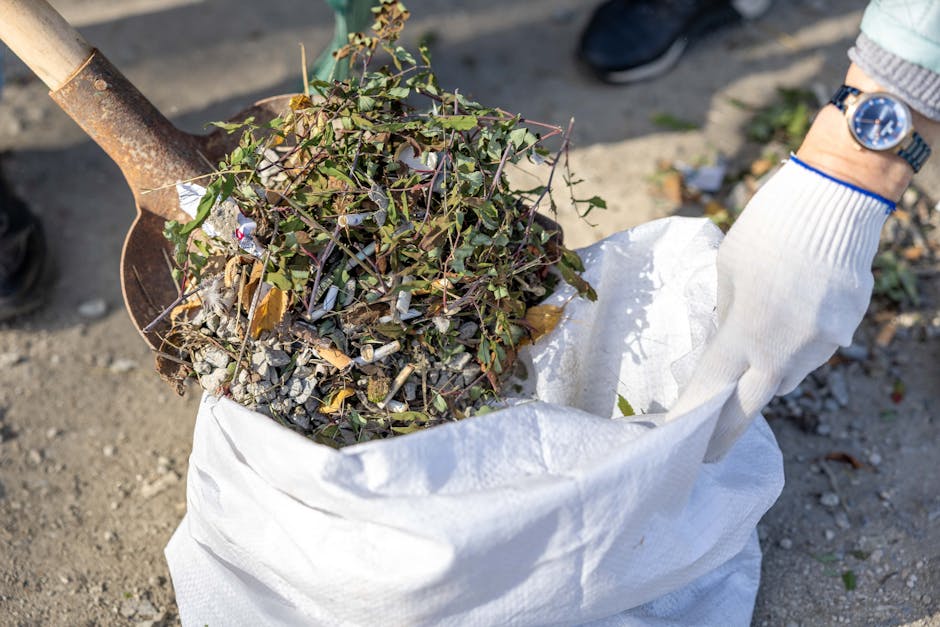
St Lukes local council rules for garden waste disposal: a practical guide for homeowners and gardeners
If you've ever stood in the garden with a pile of hedge trimmings, grass clippings, and a bramble that seemed to appear out of nowhere, you'll know the awkward question that follows: what actually counts as garden waste, and how should it be disposed of in St Lukes? The answer matters more than most people think. St Lukes local council rules for garden waste disposal are there to keep collections safe, legal, and manageable, but they can also save you time, money, and a fair bit of confusion.
This guide breaks everything down in plain English. You'll learn how garden waste disposal normally works, what councils usually expect, how to avoid nuisance mistakes, and how to choose the most sensible method for your situation. If you're planning a bigger tidy-up, or you regularly maintain a plot, you may also find useful context in our guide to organic waste and fertility and our broader garden maintenance support. Let's get into it.
Why St Lukes local council rules for garden waste disposal Matters
Garden waste looks simple on the surface, but councils treat it carefully for a reason. Once green waste is mixed with general rubbish, it becomes harder to recycle, harder to compost, and more expensive to process. That can lead to missed collections, rejected bins, contamination charges, or an unwanted trip to the tip. Nobody wants that on a damp Tuesday morning.
In St Lukes, the practical goal is usually the same as in most parts of London: keep green waste separate, place it in the correct container or collection stream, and avoid putting in items that do not belong. This helps reduce landfill use and makes it easier for garden material such as cut grass, hedge clippings, leaves, and small prunings to be turned into useful compost or soil improver.
It also matters for household hygiene. A bin full of the wrong material can smell, attract pests, or simply get left behind. In busy streets and shared properties, one person's sloppy garden waste can affect the whole row. To be fair, that's one of those problems nobody notices until collection day goes sideways.
Quick expert summary: the safest approach is to separate clean green waste, keep contamination out, and check the local collection format before you set anything at the kerb.
How St Lukes local council rules for garden waste disposal Works
While every council has its own collection setup, the core system is usually built around a few common ideas. Garden waste is collected separately from household rubbish so it can be processed as organic material. That means your trimming, weeds, grass, and leaves need to stay free from plastics, rubble, food waste, and non-organic items.
Typically, the process involves one or more of the following:
- a designated garden waste bin or sack
- a scheduled garden waste collection service
- a requirement to present waste only on the correct day
- limits on what can be placed in the container
- rules about weight, contamination, or overfilling
If you are dealing with a larger garden clearance, it can be worth comparing disposal methods before you start. For example, a routine hedge trim may fit neatly into a green bin, but a full back-garden clearance often needs a different approach. Our hedge trimming techniques article is helpful if your waste mostly comes from regular maintenance, while storm damage advice can be useful after heavy weather leaves branches scattered everywhere.
What usually counts as garden waste
In most council systems, garden waste means natural, biodegradable material from ordinary garden maintenance. That often includes:
- grass cuttings
- hedge clippings
- small twigs and branches
- leaves
- dead plants
- flowers and stems
- weeds, including roots if allowed by the local scheme
It does not normally include pots, soil, stones, treated timber, turf in excessive amounts, plastic ties, compost bags unless accepted, or anything that has been contaminated with household rubbish. If you're ever unsure, treat the item as non-garden waste until you have checked. That rule of thumb saves hassle.
How collections are usually presented
Most councils expect green waste to be presented in the approved container or in a specified format such as reusable sacks. Bins should generally be closed properly, not overloaded, and put out by the stated collection time. Side waste is often not taken, even if it is only a few extra trimmings. It sounds fussy, but collection crews need consistency to keep routes moving.
If you prefer a more hands-on approach, some residents also compost at home. That can reduce what goes into the council stream and gives you useful material for borders and beds. If you're interested in making that green waste work harder, this piece on gardens and climate change offers a wider sustainability angle.
Key Benefits and Practical Advantages
Following garden waste rules is not just about avoiding a collection miss. Done properly, it makes your whole garden routine easier.
1. Less mess around the property
When garden waste is bundled and sorted correctly, you are not left with random heaps of cuttings drifting across the path in the wind. That's especially helpful in exposed London streets where a light breeze can scatter leaves faster than you'd expect. A tidy disposal routine keeps the place looking cared for, even during peak pruning season.
2. More efficient recycling and composting
Clean green waste is more useful. Councils can process it into compost or other organic material far more easily when it is not mixed with plastic plant labels, compost sacks, or bits of brick. In practice, that means better environmental performance and fewer rejected loads.
3. Lower risk of penalties or collection issues
Putting the wrong material in a garden waste container can result in a refused collection or repeated warning. That may sound minor, but once a weekly routine gets interrupted, it can quickly become a nuisance. Follow the rules and the process tends to disappear into the background, which is exactly what most people want.
4. Better planning for big garden jobs
Understanding the local disposal route helps you plan hedge cutting, lawn care, and seasonal tidy-ups in a more realistic way. If you know what the council will take, you can decide whether to trim a little each week or do one bigger clear-out. That sort of planning can be useful if you also book support such as hedge trimming or wider lawn care work.
Who This Is For and When It Makes Sense
This guidance is relevant to a lot more people than just keen gardeners. In fact, it helps anyone who creates green waste as part of ordinary outdoor upkeep.
- Homeowners who mow lawns, trim hedges, and tidy borders
- Tenants who are responsible for small garden areas
- Landlords managing outdoor space between lets
- Property managers dealing with shared planting or communal grounds
- Busy families who want a simple way to keep outside areas usable
- Garden maintenance customers who want services aligned with local disposal rules
It makes particular sense when you are dealing with seasonal surges. Spring brings prunings and weeds. Summer produces steady grass cuttings. Autumn adds leaves, often more than you think. Winter is quieter, but after a storm, the branches can be surprisingly stubborn. If that sounds familiar, our posts on winter weather protection and shielding your garden from wind may help you stay one step ahead.
Step-by-Step Guidance
If you want a straightforward routine, use the process below. It keeps things calm, practical, and easy to repeat.
- Sort the waste as you go. Put green waste in one pile and non-organic waste in another. A small amount of sorting during the job saves a lot of stress later.
- Remove contamination. Take out plastic plant ties, labels, wire, stones, and any household rubbish that ended up in the pile. It's rarely glamorous, but it makes a real difference.
- Check the accepted items. Confirm what your local collection rules allow. Some schemes are generous, others more limited. Do not assume.
- Prepare the container properly. Use the approved bin, sack, or storage method. Keep it reasonably light and avoid overfilling.
- Set it out on time. Put the container out when instructed. Missed timing is one of the easiest ways to lose a collection.
- Rinse and reset. After collection, clean the bin if needed and store it neatly. This makes the next round much easier.
A small but useful habit is to keep a second bag nearby while gardening. One for green waste, one for everything else. It sounds almost too simple, but honestly, it works.
When to compost instead of disposing
If the waste is clean, soft, and suitable for composting, you may be better off keeping it on site rather than sending it out. Leaves, grass cuttings, herbaceous stems, and some soft prunings break down well. Bigger woody pieces take longer and may need shredding first. Home composting is not for every garden, but where it fits, it can reduce the pressure on your council bin quite a lot.
Expert Tips for Better Results
Here's where a little experience goes a long way. The difference between a tidy garden routine and a frustrating one is often the small stuff.
- Cut hedge waste down before bin day. Long branches and bulky stems can make a container awkward fast.
- Let damp grass dry a little. Wet clippings are heavier, smellier, and more likely to compact in the bin.
- Keep a garden rake nearby. It helps gather leaves and light debris without turning your hands into a mess.
- Store waste under cover briefly if needed. A dry pile is easier to handle than a sodden one after an unexpected shower.
- Use trimmings creatively where possible. Some softer material can become mulch or compost, reducing what you have to dispose of.
- Plan around the seasons. Early autumn and late spring often create more waste than people expect.
If you do bigger maintenance jobs, especially with hedges or trees, it helps to think about disposal before the cut begins. Our tree surgery support and hedge shaping ideas can be useful if you are balancing appearance, growth, and waste volume at the same time.
A small aside: once, after a very enthusiastic Sunday tidy-up, a client realised the "small" pile of clippings had grown into something that looked almost theatrical. That happens. Nature is fond of dramatic exits.
Common Mistakes to Avoid
Most problems with garden waste disposal are avoidable. The trick is knowing the usual traps before they catch you.
Mixing garden waste with general rubbish
This is the biggest mistake. Even a few plastic bags, food scraps, or bits of packaging can contaminate the whole load. Keep green waste separate from the start.
Overfilling the bin or sack
People often try to squeeze in "just one more" armful. The result is a lid that won't close, a container that tips awkwardly, or a collection crew who can't safely take it. Better to leave a little space.
Including items the council will not accept
Soil, rubble, stones, treated wood, and certain bulky materials are commonly excluded. Don't assume the bin is a catch-all for garden by-products. It isn't.
Leaving waste out too early
Garden waste set out too soon can blow around, get soggy, or attract attention from passers-by and animals. Timing matters more than people think.
Ignoring bulky waste alternatives
If your project is more of a clearance than a tidy-up, forcing everything into a standard green bin can become a false economy. A larger load may be better handled through a separate removal option or a planned maintenance visit. You can also review our pricing and quotes information if you want to compare likely approaches before you commit.
Tools, Resources and Recommendations
You do not need a shed full of specialist kit to handle garden waste well, but a few practical tools make the job cleaner and faster.
| Tool or resource | Why it helps | Best use |
|---|---|---|
| Garden sack or bin | Keeps waste contained and easier to move | Routine grass, leaves, and small clippings |
| Rake | Collects light material efficiently | Autumn leaves and scattered debris |
| Bypass secateurs | Snips stems cleanly | Deadheading, small prunings, and stems |
| Loppers | Handles thicker branches | Hedge and shrub maintenance |
| Tarpaulin | Lets you drag waste without scattering it | Bulk clear-ups after storms or trims |
| Compost bin | Reduces what needs disposal | Soft green waste and leaf matter |
For many households, the best "resource" is simply a repeatable routine. Clean as you go. Sort as you go. Dispose as you go. That rhythm is surprisingly effective. If you need broader help with the outdoor space itself, pages like gardening services and lawn mowing can point you towards practical support that keeps waste under control in the first place.
Law, Compliance, Standards, or Best Practice
Garden waste disposal is one of those everyday tasks that still sits within a wider legal and environmental framework. You don't need to memorise legislation to do the right thing, but you do need to follow the rules that apply to your local collection system.
In plain terms, the best practice is:
- separate organic waste from household rubbish
- avoid contamination of recyclable green material
- present waste only in the approved format
- use the correct collection day or disposal route
- store and transport waste safely
If you are a gardener or contractor disposing of waste on behalf of others, the bar is a bit higher. You should be clear about what is being removed, how it is transported, and whether the disposal route is appropriate for the volume and type of material. That's not just tidiness; it is part of responsible working practice. Our health and safety policy and insurance and safety information reflect that careful approach.
Best practice also means not pretending every council scheme is identical. Some accept more material than others, and collection formats vary. So, when in doubt, check the local instructions rather than relying on what worked somewhere else. That one simple habit avoids most problems.
Options, Methods, or Comparison Table
If you are deciding how to handle garden waste in St Lukes, it helps to compare the main options side by side. The right choice depends on volume, frequency, and how much time you want to spend dealing with it.
| Method | Best for | Pros | Limitations |
|---|---|---|---|
| Council garden waste collection | Regular household green waste | Convenient, organised, usually cost-conscious | Rules can be strict; not ideal for bulky clearances |
| Home composting | Clean, soft organic material | Reduces disposal volume; creates usable compost | Needs space, patience, and the right waste mix |
| Private garden clearance | Large or irregular amounts | Handles bigger jobs quickly | Can cost more; needs careful sorting |
| Reuse on-site as mulch | Chipped branches, leaves, some prunings | Improves soil moisture and structure | Not suitable for all materials |
For many gardens, the best result is a blend. Daily or weekly maintenance waste goes into the council stream. Softer material is composted. Bulkier jobs are planned separately. Simple, but effective.
Case Study or Real-World Example
Picture a typical terraced garden in St Lukes after a few busy weekends. The lawn has been cut, the hedge is trimmed back from the path, and the flower bed has been cleared of tired summer growth. Nothing dramatic. Just a normal tidy-up.
At first, the waste is scattered into three piles: grass, hedge cuttings, and mixed debris. Then the owner notices the usual problem. There are plant labels in one pile, a broken pot in another, and a bag of old compost lurking near the fence. If all of that goes into a green waste container together, the collection may be rejected or downgraded.
The better approach is more methodical. The reusable compost is kept for the beds. The broken pot and plastic bits are separated. The hedge cuttings are shortened, the grass is left to dry for an hour, and everything organic is placed neatly into the approved bin. The result? Less weight, less mess, and no awkward bin drama on collection morning.
That's the real value of understanding St Lukes local council rules for garden waste disposal. It turns a messy job into a predictable routine.
Practical Checklist
Use this checklist before your next tidy-up or collection day.
- Have I separated garden waste from general rubbish?
- Have I removed plastic, wire, stone, and other contamination?
- Does my waste fit the approved container or collection method?
- Have I checked the collection day or disposal timing?
- Is the waste likely to be accepted by the local service?
- Should any of this be composted or reused instead?
- Have I dealt with bulky branches or storm debris separately?
- Is the container closed, tidy, and easy to lift or collect?
- Do I know who to contact if the waste is not taken?
That last one is easy to forget, but it matters. If a collection is missed or a container is left behind, having a clear next step saves time and frustration.
Conclusion
Garden waste disposal does not need to be complicated. Once you understand the local expectations, it becomes one of those background tasks you barely think about. Keep green waste separate, use the right container, avoid contamination, and plan ahead for larger jobs. That's the heart of it.
For St Lukes residents and gardeners, the real win is a smoother routine: fewer missed collections, less mess, and a cleaner way to manage the practical side of outdoor upkeep. If your garden needs a little more than a bin routine can handle, it may be time to review your maintenance plan, compare service options, or get help with the heavier jobs.
Get a free quote today and see how much you can save.
And if you're still weighing up your next step, that's fine too. A well-kept garden is built one sensible choice at a time.
Frequently Asked Questions
What counts as garden waste under St Lukes local council rules for garden waste disposal?
It usually means biodegradable material from the garden, such as grass cuttings, leaves, hedge trimmings, weeds, flowers, and small branches. Anything plastic, mineral, or household-related normally belongs elsewhere.
Can I put soil in my garden waste bin?
Often, soil is not accepted in standard garden waste collections, especially in larger amounts. It is best to treat soil as a separate material unless the local scheme clearly says otherwise.
Are branches and hedge trimmings allowed?
Usually yes, as long as they are within the size and weight limits for the service. Very thick branches or bulky woody waste may need a different disposal route.
Do I need to remove weeds before disposal?
Yes, but only in the sense of making sure the pile is clean and suitable. Weeds are typically acceptable as garden waste, though it is smart to check if roots, seeding weeds, or invasive plants have special handling rules.
What happens if I mix rubbish with garden waste?
The collection may be refused, delayed, or flagged as contaminated. In some cases, repeated contamination can lead to warnings or extra charges. It is best to keep everything separate from the start.
Can I leave extra bags beside the bin?
Usually not unless the local rules specifically allow it. Many councils only collect what is inside the approved container or presented in the approved format.
Is home composting better than council collection?
For clean, soft organic waste, composting can be a very good option because it reduces disposal volume and gives you useful material for the garden. For bulky or woody waste, a council collection or other disposal method may be more practical.
How should I handle waste after storm damage?
Start by separating small organic debris from larger branches and any non-organic material. Storm waste can be surprisingly mixed, so take your time. If the amount is large, a wider clearance plan may be easier than trying to force it all into one container.
What is the best way to prepare garden waste for collection?
Sort it, remove contamination, let very wet cuttings drain or dry a little, and place it in the approved container without overfilling. A tidy, manageable load is much more likely to be collected without issue.
Can professional gardeners help with waste disposal?
Yes. Many people use professional help when the garden work generates more waste than they want to handle themselves. Services such as garden maintenance or landscaping are often paired with organised waste removal, which takes a lot of the pressure off.
How do I know if my garden waste is too much for a normal bin?
If you cannot close the lid properly, the waste is heavy enough to strain the container, or the pile includes bulky branches and awkward material, it is probably beyond a standard routine collection. That is the moment to consider a different method.
Where can I get help if I'm unsure what to do next?
If you want practical support, it helps to speak with a local gardening team that understands everyday disposal issues and maintenance planning. You can start by reading more about our about us page or reaching out through our contact page when you're ready.